
Introduction
A recent Norovirus Outbreak Sickens 115 on Cruise Ship headline has raised concerns among travelers around the world. Cruise vacations are popular because they offer relaxation, entertainment, and the chance to visit multiple destinations in one trip. However, when a virus spreads onboard, it can quickly affect many passengers and crew members.
Norovirus is one of the most common causes of stomach illness worldwide. It spreads easily in crowded places such as schools, hotels, restaurants, and cruise ships. In this article, we will explain what happened during the outbreak, how norovirus spreads, the symptoms people experience, and the best ways travelers can protect themselves during future cruises.
This guide is written in simple English and provides useful information for anyone planning a cruise vacation.
Norovirus Outbreak Sickens 115 on Cruise Ship
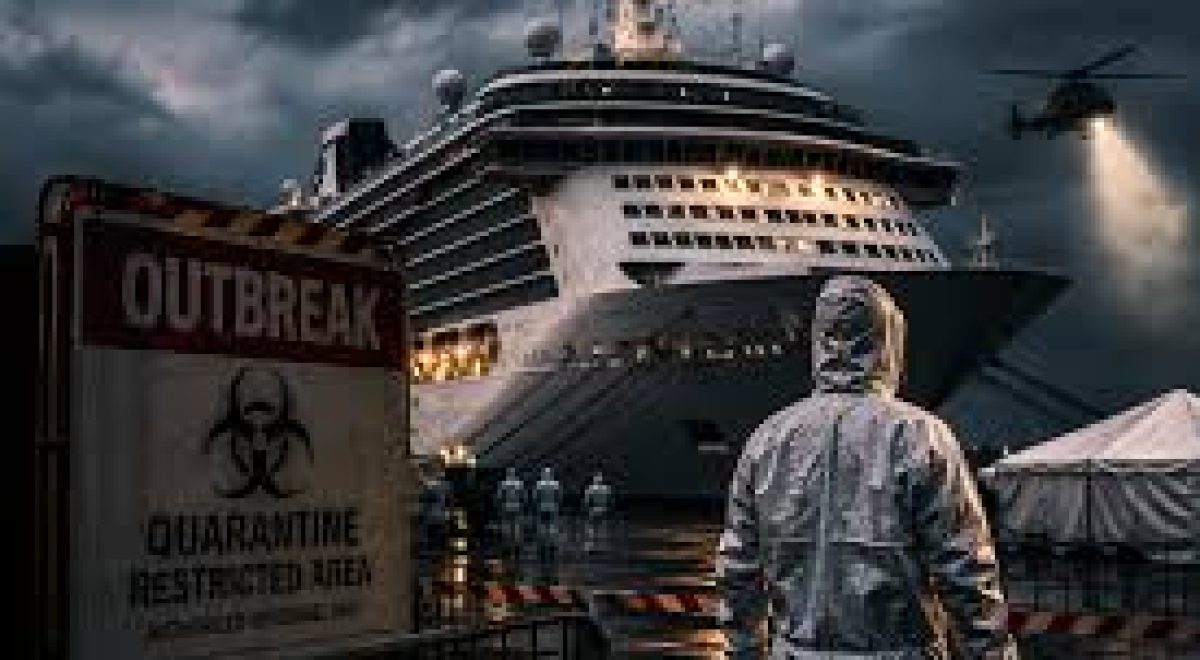
Health officials recently reported that a norovirus outbreak affected more than 115 people aboard a cruise ship. Both passengers and crew members experienced symptoms linked to the virus.
Cruise ships can sometimes become environments where illnesses spread quickly because many people share dining areas, pools, elevators, and entertainment spaces. Even with cleaning measures in place, viruses like norovirus can move rapidly from person to person.
The outbreak caused concern among travelers, especially those planning upcoming vacations. Cruise companies often respond by increasing sanitation efforts, isolating sick passengers, and working with health authorities to reduce further spread.
What Is Norovirus?
Norovirus is a highly contagious virus that causes stomach and intestinal illness. It is often called the “stomach flu,” although it is not related to influenza.
The virus can infect people of all ages and usually spreads through:
- Contaminated food or water
- Touching infected surfaces
- Close contact with infected people
- Sharing utensils or drinks
Norovirus outbreaks are common in places where large groups gather together.
Common Symptoms of Norovirus
Symptoms usually appear quickly after infection, often within 12 to 48 hours.
Main Symptoms
Vomiting
Many infected people experience sudden vomiting.
Diarrhea
Frequent diarrhea is one of the most common symptoms.
Stomach Pain
People may feel cramps or discomfort in the stomach area.
Nausea
A sick feeling in the stomach often happens before vomiting.
Fever and Headache
Some individuals also report mild fever, headache, or body aches.
Most people recover within a few days, but dehydration can become serious, especially for children and older adults.
Why Cruise Ships Are Vulnerable to Outbreaks
Cruise ships carry thousands of passengers and crew members in limited spaces. This environment can make it easier for viruses to spread.
Shared Spaces Increase Risk
Passengers often use the same:
- Dining halls
- Buffets
- Pools
- Bathrooms
- Handrails
- Elevators
If one infected person touches surfaces or prepares food, the virus can spread rapidly.
Close Contact Between Travelers
Cruise vacations encourage social activities, including parties, shows, and group excursions. Close interaction between passengers increases transmission risk.
International Travel Challenges
Cruise ships visit multiple countries and ports. Travelers from different regions bring different health risks, making disease control more difficult.
How Cruise Companies Respond to Norovirus
When outbreaks happen, cruise companies usually take several immediate actions.
Deep Cleaning Procedures
The ship crew increases cleaning and disinfection efforts across all public areas.
Passenger Isolation
Sick passengers may be asked to stay in their cabins temporarily to prevent spreading the virus.
Medical Support
Cruise medical teams monitor infected individuals and provide treatment for dehydration and symptoms.
Cooperation With Health Authorities
Cruise lines often work with public health organizations to investigate outbreaks and improve safety measures.
How Travelers Can Protect Themselves
Although cruise companies work hard to maintain safety, passengers also play an important role in preventing illness.
Wash Hands Frequently
Handwashing with soap and water is one of the best ways to stop norovirus spread.
Travelers should wash hands:
- Before eating
- After using the restroom
- After touching public surfaces
- Before entering dining areas
Avoid Touching the Face
Touching the eyes, nose, or mouth after contacting contaminated surfaces can increase infection risk.
Stay Hydrated
If symptoms appear, drinking enough water is important to avoid dehydration.
Report Symptoms Early
Passengers who feel sick should contact the ship’s medical center quickly.
Be Careful at Buffets
Using shared serving utensils can increase exposure risk. Travelers should sanitize hands before meals.
Cruise Travel Remains Popular
Despite occasional outbreaks, millions of people continue to enjoy cruise vacations each year. Modern cruise lines invest heavily in sanitation systems, medical facilities, and passenger safety.
Most cruises operate without major health problems. However, outbreaks remind travelers about the importance of hygiene and health awareness during trips.
Cruise companies also continue improving cleaning technologies and emergency response procedures to reduce future incidents.
Health Experts Recommend Preparedness
Medical experts advise travelers to prepare before any cruise vacation.
Bring Basic Health Supplies
Passengers should pack:
- Hand sanitizer
- Disinfecting wipes
- Water bottles
- Basic medicines approved by doctors
Travel Insurance Matters
Travel insurance can help cover unexpected medical situations during international travel.
Monitor Health Before Traveling
People who already feel sick before boarding should consider delaying travel to avoid infecting others.
Impact on the Cruise Industry
News headlines such as Norovirus Outbreak Sickens 115 on Cruise Ship can temporarily affect public confidence in cruise travel.
Some travelers may delay vacations or become more cautious when booking trips. However, the cruise industry remains one of the fastest-growing sectors in tourism.
Companies often respond by:
- Improving sanitation policies
- Training staff more effectively
- Increasing health monitoring systems
- Educating passengers about prevention
These steps help restore confidence among travelers.

The Importance of Public Health Awareness
Public awareness plays a major role in preventing outbreaks. Simple habits like handwashing and staying home when sick can protect many people.
Health officials continue encouraging travelers to follow safety recommendations during cruises, flights, and hotel stays.
Education is especially important because norovirus spreads very easily and can affect large groups within a short period.
FAQ Section
What caused the norovirus outbreak on the cruise ship?
The outbreak was caused by norovirus, a highly contagious stomach virus that spreads through contaminated food, surfaces, and close contact.
How many people became sick?
Reports stated that more than 115 passengers and crew members experienced symptoms linked to the outbreak.
Is norovirus dangerous?
Most people recover within a few days, but dehydration can become serious if symptoms are severe.
Can cruise ships prevent outbreaks completely?
Cruise lines work hard to reduce risks, but crowded environments can still allow viruses to spread quickly.
How can travelers stay safe on cruises?
Travelers should wash hands regularly, avoid touching their faces, stay hydrated, and report symptoms immediately.
Does norovirus spread only on cruise ships?
No. Norovirus can spread in schools, restaurants, hotels, hospitals, and many other crowded places.
Conclusion
The recent Norovirus Outbreak Sickens 115 on Cruise Ship incident highlights the importance of health safety during travel. While cruise vacations remain enjoyable for millions of people, outbreaks remind everyone to stay alert and practice good hygiene habits.
Norovirus spreads easily, especially in crowded environments, but travelers can lower their risk by washing hands frequently, staying informed, and following health guidelines.
Cruise companies also continue improving sanitation and medical procedures to protect passengers and crew members. With proper precautions, travelers can still enjoy safe and memorable cruise experiences.