
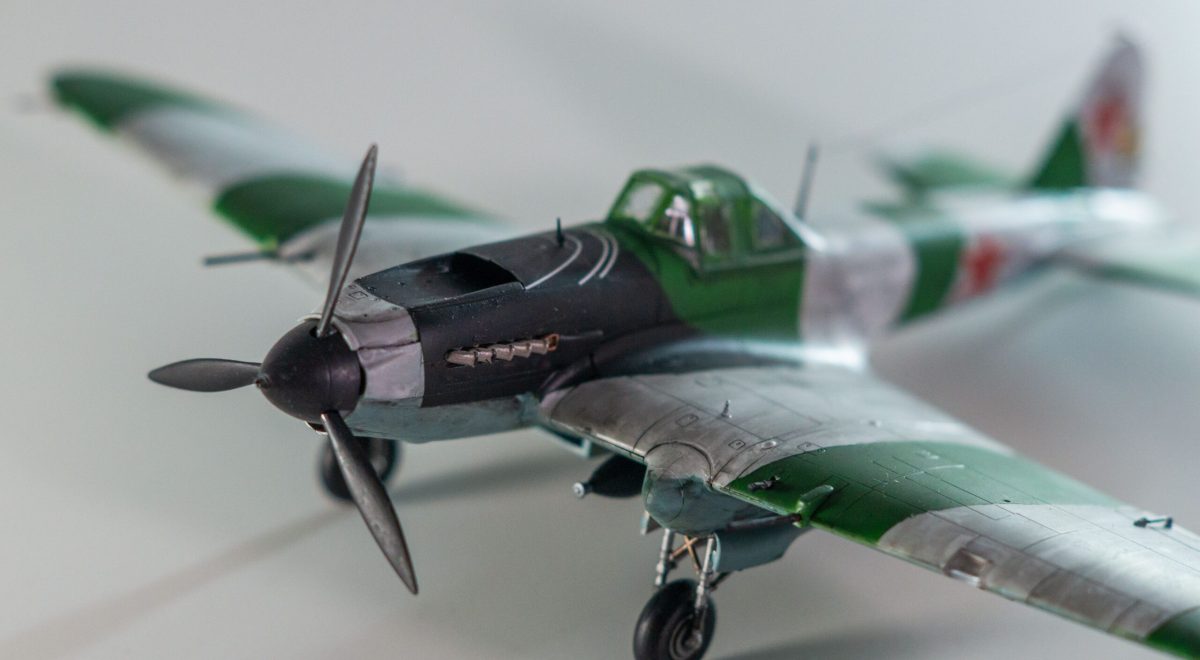
Introduction: Turning Digital Designs Into Real Products
3D printing has changed the way individuals, businesses, engineers, designers, and manufacturers create products. Instead of depending only on traditional manufacturing methods that may require expensive tools, long preparation times, and large production quantities, modern 3D printing allows creators to develop prototypes, custom parts, and unique products more efficiently.
Today, professional online 3D printing services make advanced manufacturing more accessible. Customers can create a digital design, submit their files online, select suitable materials and production options, and receive professionally manufactured parts without owning expensive industrial equipment.
Among the companies operating in the custom 3D printing industry, 3DLabPrint provides solutions for customers looking for professional 3D printing services in Europe and the United States. The platform focuses on helping users transform digital models into physical products for different applications, including prototypes, engineering projects, educational models, and custom components.
In this 3DLabPrint review, we will explore the company’s services, printing possibilities, industries served, materials, ordering process, advantages, and important factors customers should consider before choosing a professional 3D printing provider.
What Is 3DLabPrint?
3DLabPrint is an online 3D printing service that helps customers manufacture physical objects from digital 3D designs.
Instead of purchasing and maintaining professional-grade 3D printing equipment, customers can use an online service to produce their required parts based on their project requirements.
The process generally involves preparing a 3D model, submitting the design, selecting available production options, and receiving the completed product after manufacturing and quality checks.
Professional 3D printing services like 3DLabPrint can be useful for:
- Engineers creating functional prototypes
- Product designers testing new ideas
- Startups developing early product versions
- Businesses requiring custom components
- Students and educators working on technical projects
- Hobbyists creating personalized designs
By providing access to professional manufacturing capabilities, online 3D printing services help reduce the need for expensive equipment investments.
Why Online 3D Printing Services Are Becoming Popular
The demand for online 3D printing continues to grow because companies and individuals want faster and more flexible manufacturing options.
Traditional manufacturing methods often require:
- Expensive tooling
- Long production preparation
- Large minimum order quantities
- Higher initial investment
3D printing provides an alternative approach by allowing manufacturers to create parts directly from digital designs.
Some major benefits of professional online 3D printing include:
Faster Prototyping
Product development often requires testing multiple versions before reaching a final design.
With 3D printing, designers can create prototypes faster, evaluate them, make improvements, and repeat the process without waiting for traditional manufacturing cycles.
Lower Development Costs
Creating a prototype through traditional manufacturing can be expensive, especially during the early stages of product development.
3D printing allows businesses to test ideas with fewer resources before moving into larger production.
Custom Manufacturing
One of the biggest advantages of 3D printing is customization.
Unlike traditional manufacturing, which is often designed for producing large quantities of identical products, 3D printing can create unique parts based on specific customer requirements.
Examples include:
- Custom brackets
- Replacement components
- Product prototypes
- Personalized designs
- Specialized tools
Reduced Material Waste
Additive manufacturing creates objects by building them layer by layer.
This approach can reduce unnecessary material usage compared with some traditional manufacturing processes that remove material through cutting or machining.
Main Services Offered by 3DLabPrint
3DLabPrint provides professional 3D printing solutions designed for different project requirements.
The exact manufacturing options available depend on the customer’s design, selected materials, production requirements, and technical specifications.
Custom 3D Printing
Custom 3D printing allows customers to transform their digital designs into physical products.
Users can prepare their own CAD files and submit them for production according to their project requirements.
This service can be useful for:
- Mechanical parts
- Product samples
- Custom designs
- Engineering components
- Creative projects
For businesses, custom 3D printing provides a way to test and produce specialized parts without requiring their own manufacturing facility.
Rapid Prototyping
Rapid prototyping is one of the most common uses of professional 3D printing.
Before launching a final product, companies often need to test:
- Design appearance
- Size and dimensions
- Functionality
- Assembly
- User experience
3D printing allows designers and engineers to create physical versions of their ideas quickly and identify possible improvements before large-scale manufacturing.
This can help companies reduce development risks and make better product decisions.
Low-Volume Manufacturing
Not every project requires thousands of units.
Many businesses need smaller production quantities for:
- Product testing
- Limited releases
- Specialized equipment
- Replacement parts
- Market research
Professional 3D printing services can support these smaller manufacturing needs without the same requirements as traditional mass production.
This makes 3D printing especially useful for startups and companies developing new products.
Replacement Parts and Custom Components
Finding replacement parts for older products or specialized equipment can sometimes be challenging.
3D printing provides an option for creating custom replacement components when original parts are difficult to source.
Possible applications include:
- Machine components
- Equipment parts
- Product housings
- Custom fittings
- Specialized accessories
Before manufacturing replacement parts, users should ensure that the design dimensions and material requirements match the intended application.
Industries That Use Professional 3D Printing
3D printing is used across many industries because of its flexibility and ability to create customized solutions.
Engineering and Manufacturing
Engineers use 3D printing for:
- Functional prototypes
- Mechanical components
- Testing models
- Custom tools
- Product development
The ability to quickly modify and test designs makes 3D printing valuable during engineering projects.
Architecture and Construction
Architects use 3D printing to create detailed physical models of buildings and structures.
These models can help with:
- Project presentations
- Design evaluation
- Client communication
- Educational demonstrations
Detailed architectural models allow people to better understand complex designs before construction begins.
Education and Research
Schools, universities, and technical institutions use 3D printing to teach practical skills related to:
- Engineering
- Design
- Robotics
- Manufacturing
- STEM education
Students can turn digital ideas into physical objects, helping them understand real-world design and production processes.
Product Design
Product designers use prototypes to evaluate:
- Shape
- Function
- Size
- Appearance
- Assembly
Creating multiple versions of a design allows teams to improve products before final manufacturing.
Materials, Ordering Process, Business Benefits, and Common Applications
Materials Used in Professional 3D Printing
Choosing the correct material is one of the most important decisions in any 3D printing project. Different materials provide different levels of strength, flexibility, durability, appearance, and resistance to environmental conditions.
The right material depends on how the final product will be used. A decorative model may require a different material compared with a mechanical component that needs to handle pressure or movement.
Professional 3D printing services such as 3DLabPrint may offer different material options depending on the available technologies and project requirements.
Plastic Materials
Plastic-based materials are among the most commonly used options in 3D printing because they provide versatility and are suitable for many applications.
Plastic materials are often used for:
- Product prototypes
- Consumer products
- Educational models
- Custom accessories
- Functional components
Different plastic materials can provide different characteristics, including improved strength, flexibility, or appearance.
Resin Materials
Resin printing is known for producing highly detailed parts with smooth surface finishes.
This type of printing is commonly selected for projects where visual quality and fine details are important.
Common applications include:
- Miniature models
- Display products
- Detailed prototypes
- Artistic designs
- Presentation models
Resin printing can be especially useful when appearance and precision are major priorities.
Engineering Materials
Some projects require materials designed for more demanding conditions.
Engineering-grade materials are commonly selected when parts need additional performance characteristics such as:
- Higher strength
- Improved durability
- Heat resistance
- Chemical resistance
These materials may be suitable for industrial applications, mechanical testing, and functional components.
How to Choose the Right 3D Printing Material
Before selecting a material, consider the purpose of your project.
Ask yourself:
- Will the part experience mechanical stress?
- Will it be used indoors or outdoors?
- Does it need flexibility?
- Is appearance more important than strength?
- Does it need resistance to heat or chemicals?
Understanding these requirements helps you choose a material that matches your project’s goals.
Benefits of Choosing a Professional 3D Printing Service
Many people consider buying their own desktop 3D printer. However, professional services provide several advantages, especially for businesses and customers who need reliable production.
Professional Print Quality
Professional 3D printing services use advanced equipment and experienced production processes.
This can help achieve:
- Better consistency
- More accurate results
- Improved surface quality
- Reliable production outcomes
The final quality depends on factors such as design preparation, material selection, and printing technology.
Access to Multiple Printing Technologies
Owning a single printer usually limits users to specific materials and printing methods.
Professional services can provide access to different technologies depending on project requirements.
This allows customers to choose solutions based on:
- Design complexity
- Material requirements
- Desired finish
- Functional needs
Saves Time and Resources
Operating a 3D printer requires knowledge, maintenance, calibration, and troubleshooting.
For occasional projects, using a professional service can save time because customers do not need to manage equipment maintenance or production issues.
Instead, they can focus on their designs and project goals.
Cost Efficiency
Purchasing industrial 3D printing equipment can require a significant investment.
For businesses that only need occasional production, outsourcing manufacturing can be more practical.
Customers pay for the required production service instead of purchasing expensive machines, materials, and maintenance equipment.
Expert Production Support
Professional manufacturing teams can help identify possible issues before production begins.
Support may include reviewing:
- Design files
- Material choices
- Production requirements
- Technical specifications
Proper preparation can help reduce errors and improve the final result.
How the 3DLabPrint Ordering Process Works
One of the advantages of online 3D printing services is the ability to complete the ordering process digitally.
Although the exact process may vary depending on the project, the general workflow usually follows several important steps.
Step 1: Prepare Your 3D Design
The process begins with a digital 3D model.
Customers may create their own designs using CAD software or work with designers to develop printable files.
Common file formats used in 3D printing include:
- STL
- OBJ
- STEP
Before submitting a design, check that:
- Measurements are correct
- The model is properly scaled
- The file does not contain errors
- The design matches the intended purpose
A well-prepared model improves the chances of successful production.
Step 2: Upload Your Design
After preparing the model, customers can submit their design through the online ordering system.
Project information may include:
- Material preference
- Quantity required
- Color options
- Surface requirements
- Delivery details
Providing accurate information helps ensure that the final product matches expectations.
Step 3: Review Project Details
Before production begins, customers should carefully review all information.
Important details include:
- Dimensions
- Material selection
- Quantity
- Shipping information
- Special requirements
Checking these details early can help avoid unnecessary delays.
Step 4: Production Begins
After confirmation, the manufacturing process starts.
The production team prepares the digital file and selects the appropriate printing method based on the project requirements.
Production time depends on factors such as:
- Part size
- Design complexity
- Material choice
- Production requirements
Step 5: Quality Inspection
Quality control is an important part of professional manufacturing.
Before shipping, printed parts may be checked for:
- Dimensions
- Surface quality
- Visible defects
- Overall condition
- Printing accuracy
Inspection helps ensure customers receive products that meet the required specifications.
Step 6: Packaging and Delivery
After production and inspection are completed, finished parts are prepared for delivery.
Proper packaging helps protect products during transportation, especially detailed or delicate components.
Customers can then receive their completed parts and continue with their projects.
Why Businesses Choose 3D Printing
Businesses across different industries continue adopting 3D printing because it provides flexibility and faster development compared with some traditional manufacturing approaches.
Professional 3D printing can help companies with:
- Faster product development
- Lower prototype costs
- Custom manufacturing
- Reduced inventory needs
- Easier design changes
- Small production runs
For startups and growing businesses, these advantages can make product development more accessible.
Common Applications of Custom 3D Printing
3D printing is used for many practical applications beyond simple prototypes.
Mechanical Components
Engineers and manufacturers use custom 3D printing for parts such as:
- Brackets
- Mounts
- Housings
- Fixtures
- Custom tools
These components can support testing, development, and specialized applications.
Consumer Products
Businesses use 3D printing to create customized consumer products, including:
- Phone accessories
- Home organization items
- Decorative products
- Personalized designs
- Functional household items
Customization allows creators to develop products designed for specific customer needs.
Automotive Applications
The automotive sector uses 3D printing for various development and repair purposes.
Examples include:
- Interior components
- Custom brackets
- Prototype parts
- Replacement accessories
3D printing can be useful when creating specialized parts or testing new designs.
Robotics Projects
Robotics development often requires unique components that are lightweight and customizable.
3D printing can be used for:
- Sensor mounts
- Robot frames
- Protective covers
- Motor brackets
- Custom structures
The ability to quickly modify designs makes 3D printing valuable during robotics development.
Educational Projects
Educational institutions use 3D printing to create hands-on learning experiences.
Students can develop physical models related to:
- Engineering
- Science
- Architecture
- Product design
- Technology
This helps connect digital design skills with practical manufacturing knowledge.
3D Printing Technologies, Quality Control, Pros & Cons, Pricing, and Final Verdict
Understanding Different Types of 3D Printing Technologies
Professional 3D printing companies use different technologies depending on the requirements of each project. Each printing method has its own advantages, limitations, and ideal applications.
Choosing the right technology depends on factors such as:
- Required strength
- Level of detail
- Surface finish
- Production speed
- Material requirements
- Intended use of the final part
Understanding these technologies helps customers select the most suitable solution for their projects.
FDM (Fused Deposition Modeling)
FDM is one of the most widely used 3D printing technologies.
This process creates objects by depositing melted filament layer by layer until the final shape is produced.
FDM is commonly used because it offers a practical balance between cost, speed, and functionality.
Common applications include:
- Functional prototypes
- Mechanical components
- Educational models
- Product testing
- Custom household parts
Advantages of FDM include:
- Cost-effective production
- Suitable for larger parts
- Wide material availability
- Good option for functional prototypes
SLA (Stereolithography)
SLA is a resin-based 3D printing technology that uses light to cure liquid resin into solid layers.
This method is known for producing detailed parts with smooth surfaces.
SLA is commonly used for:
- Detailed prototypes
- Display models
- Miniature designs
- Product presentation models
- Applications requiring high visual quality
Advantages include:
- Excellent detail
- Smooth surface finish
- High precision
- Suitable for complex designs
SLS (Selective Laser Sintering)
SLS uses a laser to fuse powdered material together and create solid parts.
This technology is often selected for projects that require strong and durable components.
Common applications include:
- Engineering parts
- Industrial components
- Functional prototypes
- Complex geometries
Advantages of SLS include:
- Strong mechanical performance
- Ability to create complex designs
- No traditional support structures required in many cases
- Suitable for functional applications
Common Mistakes to Avoid When Ordering Custom 3D Prints
Even a well-designed project can experience problems if important details are overlooked.
Avoiding common mistakes can improve the final result and reduce unnecessary delays.
Incorrect Measurements
Accurate measurements are essential for successful 3D printing.
A small mistake in dimensions can cause:
- Parts that do not fit correctly
- Assembly problems
- Reduced functionality
Always verify measurements before submitting a design.
Choosing the Wrong Material
Different materials have different properties.
Some materials may provide:
- Higher strength
- Greater flexibility
- Better appearance
- Improved heat resistance
Selecting the wrong material may affect how well the final product performs.
Consider the purpose of the part before choosing a material.
Poor Quality 3D Files
A damaged or incomplete design file can create production problems.
Before uploading a model, check for:
- Missing surfaces
- Incorrect scaling
- Duplicate geometry
- Open areas
- Design errors
A clean and accurate file improves production reliability.
Producing Large Quantities Without Testing
For complex projects, creating a prototype before ordering a larger quantity is often a useful approach.
Testing a first version allows customers to identify:
- Design improvements
- Size adjustments
- Material changes
- Functional issues
This can help avoid unnecessary production costs.
Why Quality Control Matters in 3D Printing
Professional 3D printing is not only about creating a model. Quality control plays an important role in ensuring that the final product meets expectations.
A quality inspection process may include checking:
- Dimensions
- Surface appearance
- Structural condition
- Printing accuracy
- Overall product quality
Careful inspection helps reduce errors and improves customer satisfaction.
Environmental Benefits of 3D Printing
Modern additive manufacturing can support more efficient production methods in many situations.
Some potential environmental advantages include:
Production on Demand
3D printing allows companies to produce parts when needed instead of storing large amounts of inventory.
This can help reduce unnecessary storage and unused products.
Reduced Material Waste
Because 3D printing builds objects layer by layer, it can use materials more efficiently compared with some traditional manufacturing processes.
Longer Product Life
Custom replacement parts can help extend the useful life of products and equipment.
Instead of replacing an entire product, users may be able to manufacture specific components.
Who Can Benefit from 3DLabPrint?
Professional 3D printing services can support many different types of customers.
Engineers
Engineers can use custom 3D printing for:
- Prototypes
- Functional testing
- Mechanical components
- Design improvements
Rapid access to physical models can make development processes more efficient.
Product Designers
Designers use prototypes to evaluate ideas before final manufacturing.
3D printing helps them test:
- Shape
- Size
- Appearance
- Functionality
Startups
Startups often need affordable ways to develop and test new products.
Professional 3D printing allows them to create prototypes without purchasing expensive manufacturing equipment.
Manufacturers
Manufacturing companies can use 3D printing for:
- Custom tools
- Replacement parts
- Small production runs
- Product development
Schools and Universities
Educational institutions use 3D printing to support learning in areas such as:
- Engineering
- Design
- Robotics
- Manufacturing technology
Students can gain practical experience by creating real physical models.
Hobbyists and Creators
Makers and creative users can use 3D printing for personal projects, customized designs, and experimental ideas.
3DLabPrint Pros and Considerations
Before choosing any 3D printing service, customers should consider both advantages and possible limitations.
Advantages of 3DLabPrint
Professional Manufacturing
Customers can access professional production capabilities without purchasing industrial equipment.
Suitable for Different Projects
The service can support different needs, from prototypes to custom components.
Flexible Production Options
3D printing allows production of individual parts and smaller quantities depending on project requirements.
Accessible Online Process
Customers can manage the process digitally, from design submission to delivery.
Considerations
Project Requirements Vary
Every project has different needs. Material selection, design complexity, and production requirements can affect results.
Preparation Is Important
A well-prepared design file helps improve production quality and reduce possible issues.
Pricing Depends on Several Factors
The final cost depends on factors such as:
- Material choice
- Part size
- Printing technology
- Complexity
- Quantity
- Shipping requirements
Pricing Considerations for Custom 3D Printing
There is no single fixed price for professional 3D printing because every project is different.
Several factors influence the final cost:
Material Type
Different materials have different costs depending on their properties and applications.
Part Size
Larger parts usually require more material and longer production time.
Design Complexity
Complex models may require additional preparation and production time.
Printing Technology
Different technologies may have different production costs depending on the required quality and performance.
Quantity
Ordering multiple parts may affect the overall production cost depending on the project.
Is 3DLabPrint Worth Considering?
For customers who need professional custom 3D printing without investing in expensive equipment, 3DLabPrint can be a service worth considering.
It may be suitable for:
- Engineers
- Designers
- Startups
- Manufacturers
- Educators
- Hobbyists
The best choice depends on individual project requirements, including material needs, design complexity, budget, and delivery expectations.
Before ordering, customers should review available options carefully and make sure the service matches their specific goals.
Final Verdict: 3DLabPrint Review
Professional 3D printing has made product development and custom manufacturing more accessible for businesses and individuals.
3DLabPrint provides a way for customers to transform digital designs into physical products through an online manufacturing process. The service approach can benefit users who need prototypes, custom parts, educational models, or small production runs without purchasing industrial equipment.
Like any manufacturing solution, successful results depend on good preparation, correct material selection, accurate designs, and clear project requirements.
For customers in Europe and the United States looking for professional custom 3D printing solutions, 3DLabPrint represents an option to explore when searching for flexible and convenient manufacturing services.
Conclusion
The growth of 3D printing continues to change how products are designed, tested, and manufactured.
From engineering prototypes and replacement parts to educational models and creative projects, additive manufacturing provides new opportunities for innovation.
Choosing the right printing technology, preparing accurate design files, and selecting suitable materials are important steps toward achieving successful results.
Whether you are a business, designer, student, engineer, or hobbyist, professional 3D printing services can provide a practical way to bring digital ideas into the real world.
With the right approach, custom 3D printing can help reduce development time, improve product testing, and create solutions that traditional manufacturing methods may not easily provide.