


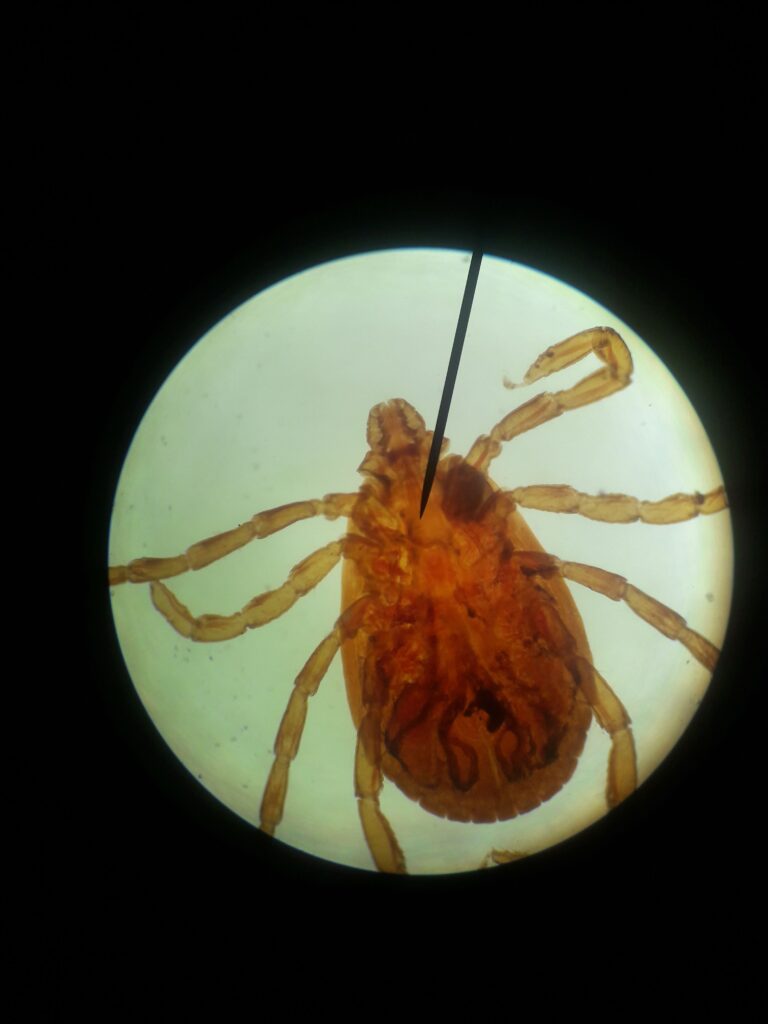
Tick-borne diseases are becoming a growing public health concern across Canada, and experts are warning that anaplasmosis is emerging as one of the country’s fastest-rising infections. While Lyme disease remains the most well-known illness spread by ticks, anaplasmosis is now the second most common tick-borne disease in Canada and, in rare cases, it may lead to myocarditis, a serious inflammation of the heart muscle.
Health professionals are encouraging both the public and frontline clinicians to stay alert as blacklegged ticks continue expanding into more Canadian provinces.
What Is Anaplasmosis?
Anaplasmosis is a bacterial infection caused by Anaplasma phagocytophilum. It is transmitted primarily through the bite of infected blacklegged ticks, also known as deer ticks.
The disease has become increasingly common in:
- Ontario
- Quebec
- Manitoba
- Other regions where blacklegged ticks are expanding
As climate and environmental conditions change, tick populations continue spreading into new areas, increasing the risk of human infections.
A Rare Case of Heart Inflammation
Doctors recently reported the case of a 79-year-old man from rural eastern Ontario who developed anaplasmosis after regularly working in wooded areas.
The patient arrived at a local hospital with symptoms including:
- High fever
- Fatigue
- Chills
- Severe weakness
- A fall caused by loss of strength
Although he did not remember being bitten by a tick or having Lyme disease, doctors suspected a tick-borne illness because of his outdoor exposure.
Laboratory testing later confirmed anaplasmosis, and further examination revealed myocarditis, a rare but potentially serious complication affecting the heart muscle.
Fortunately, after receiving prompt treatment with doxycycline for 14 days, the patient recovered completely. Four months later, he had normal heart function and no remaining symptoms.
Symptoms of Anaplasmosis
One challenge with diagnosing anaplasmosis is that its symptoms often resemble those of many other infections.
Common symptoms include:
- Fever
- Chills
- Headache
- Fatigue
- Muscle weakness
- Body aches
- Nausea
- Vomiting
- Diarrhea
- Stomach discomfort
Because these symptoms are non-specific, early diagnosis can sometimes be difficult.
Why Early Treatment Matters
Medical experts emphasize that treatment should begin as soon as doctors suspect a tick-borne illness.
The antibiotic doxycycline is considered the first-line treatment and is highly effective when started early.
Prompt treatment can:
- Reduce illness severity
- Prevent serious complications
- Lower the risk of heart inflammation
- Treat possible Lyme disease coinfection
Delaying antibiotics may increase the chance of severe disease, particularly in older adults or individuals with weakened immune systems.
Many People Never Notice a Tick Bite
One important challenge is that many patients never realize they were bitten by a tick.
Studies suggest that 50–75% of people with early Lyme disease do not remember a tick bite, making diagnosis more difficult.
For this reason, healthcare providers often ask patients about:
- Outdoor activities
- Hiking or camping
- Working in wooded areas
- Exposure to deer
- Pets that may carry ticks
- Use of tick prevention methods
How to Protect Yourself from Tick Bites
Reducing exposure to ticks remains the best way to prevent anaplasmosis and Lyme disease.
Follow these prevention tips:
Apply insect repellent containing DEET
Wear long sleeves and long pants in wooded areas
Tuck pants into socks
Stay on marked trails
Perform full-body tick checks after spending time outdoors
Shower soon after returning indoors
Check pets for ticks regularly
Removing attached ticks promptly may also reduce the risk of infection.
Growing Public Health Concern
As blacklegged ticks continue expanding across Canada, experts expect cases of anaplasmosis to rise.
Although heart complications remain rare, this case highlights the importance of recognizing symptoms early and seeking medical care without delay.
Awareness, early diagnosis, and timely treatment can significantly improve recovery and reduce the risk of severe complications.
Final Thoughts
Lyme disease is no longer the only tick-borne illness Canadians should watch for. Anaplasmosis is becoming increasingly common and, while most people recover fully with prompt treatment, it can occasionally lead to serious complications such as myocarditis.
If you develop fever, fatigue, or flu-like symptoms after spending time outdoors – especially in tick-prone areas – seek medical attention promptly. Early treatment with the appropriate antibiotics offers the best chance for a full recovery.
FAQ
Can anaplasmosis affect the heart?
Yes. Although uncommon, anaplasmosis can cause myocarditis, an inflammation of the heart muscle that requires prompt medical attention.
Is anaplasmosis more dangerous than Lyme disease?
Both illnesses can become serious if left untreated. However, early diagnosis and treatment usually lead to a full recovery.
What antibiotic treats anaplasmosis?
Doctors typically prescribe doxycycline, which is highly effective when started early.
Can you have anaplasmosis without noticing a tick bite?
Yes. Many patients never recall being bitten by a tick, making awareness of symptoms especially important.